

IP TV, or Internet Protocol Television, is a method of offering tv material over the internet as opposed to through old-fashioned cable or satellite methods. Unlike old-fashioned transmitted TV, which utilizes radio dunes or satellite signals, Swedish IPTV (Svensk IPTV) uses internet communities to stream content straight to viewers. This technology allows on-demand entry, live streaming, and involved companies, which makes it significantly popular among contemporary audiences.

How does IP TV work?
IP TV functions by transforming tv signs in to electronic knowledge packets. These packages are then given over a broadband internet connection to IP-enabled products such as for instance clever TVs, computers, or smartphones. Advanced methods like HTTP Live Streaming (HLS) and MPEG-DASH ensure smooth delivery even yet in various system conditions.
What're the types of IP TV companies?
IP TV generally is available in three forms:
Stay TV: Loading standard routes in true time.
Video on Demand (VOD): Consumers can choose shows or shows every time they like.
Time-Shifted TV: Allows visitors to view previously broadcast programs, just like a digital DVR.
Exactly why is IP TV getting popular?
Statistics show an increasing shift from cable TV to IP TV. In 2025, more than 60 of households in North America described applying internet-based tv services, compared to 40% in 2018. The flexibleness of on-demand viewing, numerous device compatibility, and lower costs are key owners behind this trend.
What're the features of IP TV?
Individualized Seeing: Customers may customize content recommendations.
Multi-Device Accessibility: Compatible with clever TVs, capsules, and portable devices.
Charge Effectiveness: Lower membership fees than old-fashioned wire packages.
Involved Characteristics: Options include live voting, talk, and additional plan info.
Are there any challenges?
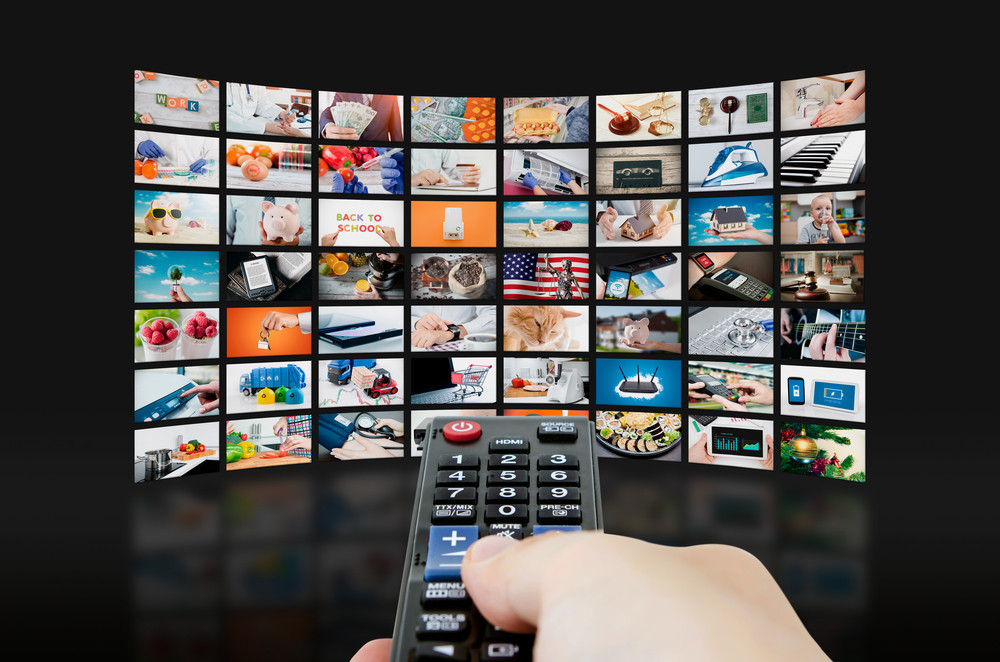
While IP TV presents substantial advantages, additionally it looks problems:
Dependence on high-speed web
Data security and solitude issues
Accreditation and regional content constraints
Future of IP TV
With the global IP TV market expected to attain USD 100+ billion by 2030, the engineering is defined to take control media consumption. Inventions such as for instance 4K streaming, AI-driven recommendations, and cloud DVR companies will more improve user experience.
Conclusion
IP TV represents a simple change in how audiences eat television. By leveraging net connection, it gives flexibility, affordability, and active abilities that standard television can not match. For audiences and support companies alike, knowledge IP TV is essential in moving the continuing future of electronic entertainment.